
Attention Deficit Hyperactivity Disorder (ADHD) is a condition that affects how a child's brain works. Children with ADHD may find it difficult to pay attention, sit still, follow instructions, or control their actions. They may also forget things easily, become restless, or act without thinking. ADHD is not caused by bad behaviour or a lack of discipline. It usually starts in childhood and may continue into adulthood.
Awareness of ADHD is increasing in India and further studies show that around 2% to 14% of children in India may have ADHD, with most estimates ranging between 7% and 9%. ADHD is diagnosed more often in boys than in girls. However, girls may have difficulty concentrating and may not show obvious signs of hyperactivity, so ADHD can sometimes go unnoticed.

ADHD typically manifests in childhood and often continues into adulthood. It is generally categorized into three main types based on how symptoms present:
a) Inattentive Type: Trouble staying focused, easily distracted, frequent forgetfulness, and difficulty organizing tasks.
b) Hyperactive-Impulsive Type: Constant fidgeting, restlessness, difficulty sitting still, blurting out answers, and acting without thinking.
c) Combined Type: A mix of both inattentive and hyperactive behaviours.
Children with ADHD may have difficulty paying attention, controlling their behaviour, or sitting still. The common signs include:
1) Inattention
a) Difficulty concentrating and getting easily distracted.
b) Forgetting things and losing belongings.
c) Making careless mistakes in schoolwork.
d) Difficulty following instructions and completing tasks.
e) Avoiding activities that require prolonged attention.
2) Hyperactivity and Impulsivity
a) Constantly moving, fidgeting or having trouble sitting still.
b) Talking excessively and interrupting others.c) Difficulty waiting for their turn.
d) Acting without thinking and making impulsive decisions.
These symptoms may affect a child's studies, behaviour and daily activities. If they persist for a long time and occur at home, school or other settings, a professional evaluation can help determine whether the child has ADHD.
Dr. Pushkar Prabhu, M.D. (Ayurveda), has over 12 years of experience in Ayurvedic Treatment and Management of ‘Developmental Delay and Developmental Disorders in Children’s’. He provides Ayurvedic consultation and individualized care for children with developmental and behavioural concerns, including ADHD.
His approach focuses on understanding each child's age, body constitution, developmental needs, lifestyle and overall health. He emphasizes personalized Ayurvedic care, dietary guidance and appropriate lifestyle modifications to support children's overall health and well-being.
In Ayurveda, the management of children with Attention Deficit Hyperactivity Disorder (ADHD) is approached through principles of Medhya Rasayana (traditional herbs associated with intellect and mental well-being), dietary modifications, lifestyle management and selected Panchakarma therapies. The treatment plan is generally individualized according to the child's age, symptoms, constitution (Prakriti) and overall health.
1) Medhya Rasayana (Herbal Support)
Certain Ayurvedic herbs are traditionally used to support memory, concentration, mental calmness and cognitive functions.
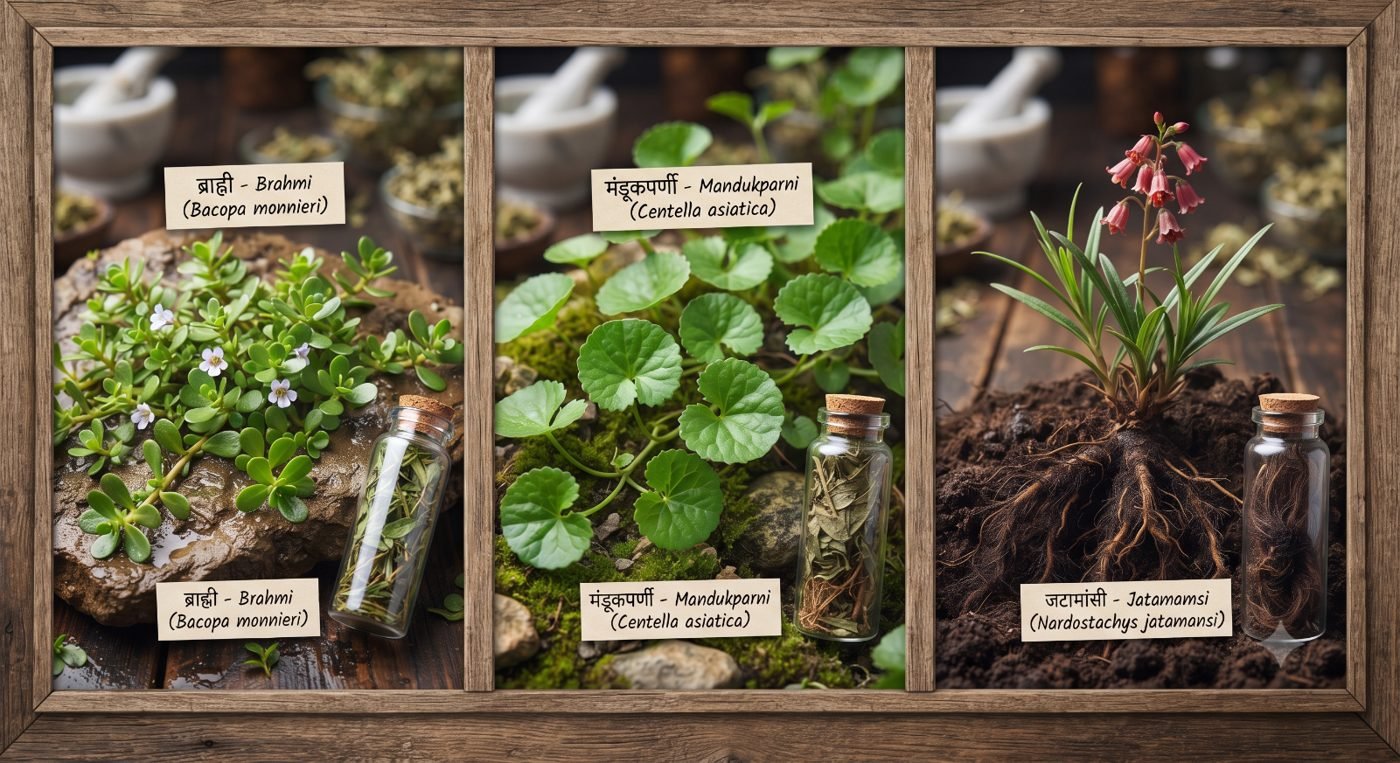
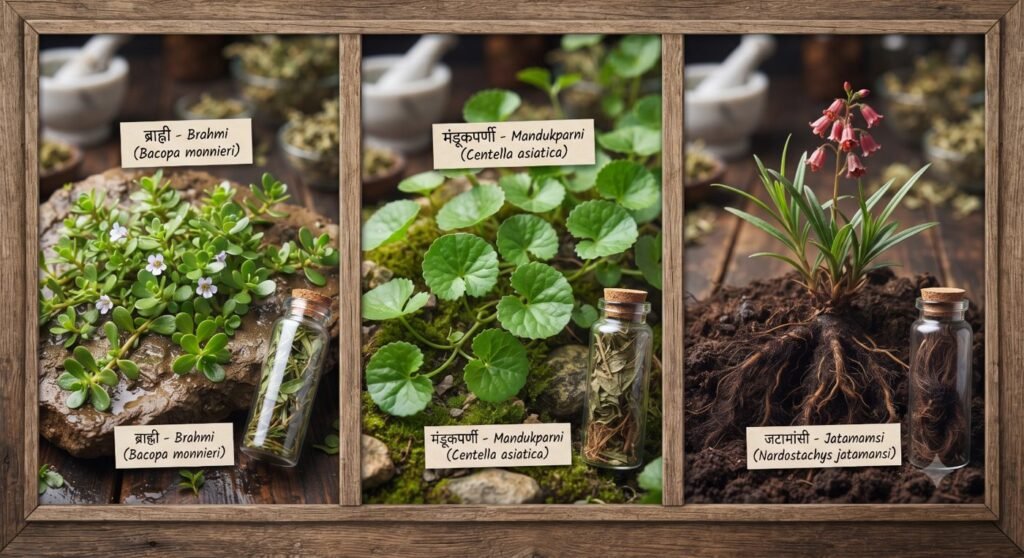
a) Brahmi (Bacopa monnieri)
Brahmi is traditionally used as a Medhya Rasayana to support memory, learning and concentration.
b) Mandukaparni (Centella asiatica)
Mandukparni is traditionally used to support mental clarity, memory and cognitive well-being.
c) Jatamansi (Nardostachys jatamansi)
Jatamansi is traditionally valued for its calming properties and used in Ayurvedic formulations for mental relaxation and emotional balance.
These herbs should only be prescribed by a qualified practitioner after considering the child's age, health, other medications and individual needs.
2) Shirodhara
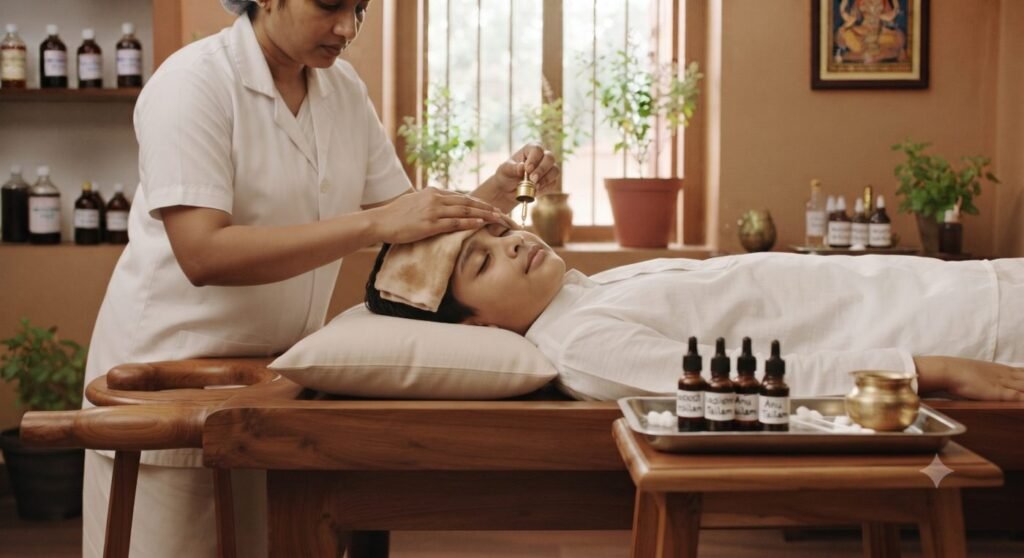
Shirodhara is a type of Panchakarma and involves gently pouring a continuous stream of a medicated ayurvedic liquid over the forehead. Traditionally it is used for relaxation and calming the mind, and has been explored in clinical studies involving children with ADHD.
3) Nasya
Nasya is a traditional Ayurvedic Panchakarma therapy involving the administration of medicated decoction or oils through the nose. It is traditionally associated with care of the head and sensory organs.
Rushvik Ayurveda is dedicated to bringing the timeless wisdom of Ayurveda into modern healthcare and wellness. Combining traditional Ayurvedic principles with a research-oriented approach, Rushvik Ayurveda focuses on natural healing, personalized care, preventive healthcare and holistic well-being.
Under the guidance of experienced Ayurvedic professionals, Rushvik Ayurveda aims to make authentic, evidence-informed Ayurvedic healthcare accessible to patients in India and internationally. The organization also focuses on developing quality Ayurvedic formulations that combine classical knowledge, carefully selected herbs and modern manufacturing standards.
Email: rushvikayurveda@gmail.com
Phone / WhatsApp:+91 9819464448